The Rememberers: Cultural Performance and the Life of Collective Memory
Every culture finds its own way to remember. Some carve their stories in stone, some store them in libraries; however others carry them in song, and performance. Across the world, performers have acted as living archives; keeping experiences and history alive not through writing but through re-enactment.
From West African griots to Turkish Aşıks, to Japan’s Biwa Hoshi, the Andean harawikuq, and Ireland’s seanchaí, people have preserved history by performing it in different ways. Through them, memory becomes something shared, and interrelational; a memory that continues only when others join in. These traditions show that collective memory is not just an archive for what was; it is a social mechanism that teaches as it remembers. The continued existence of these practices raises questions for our digital age: what can performance do that books, databases, and algorithms cannot?
West African Griots – Memory as Lineage
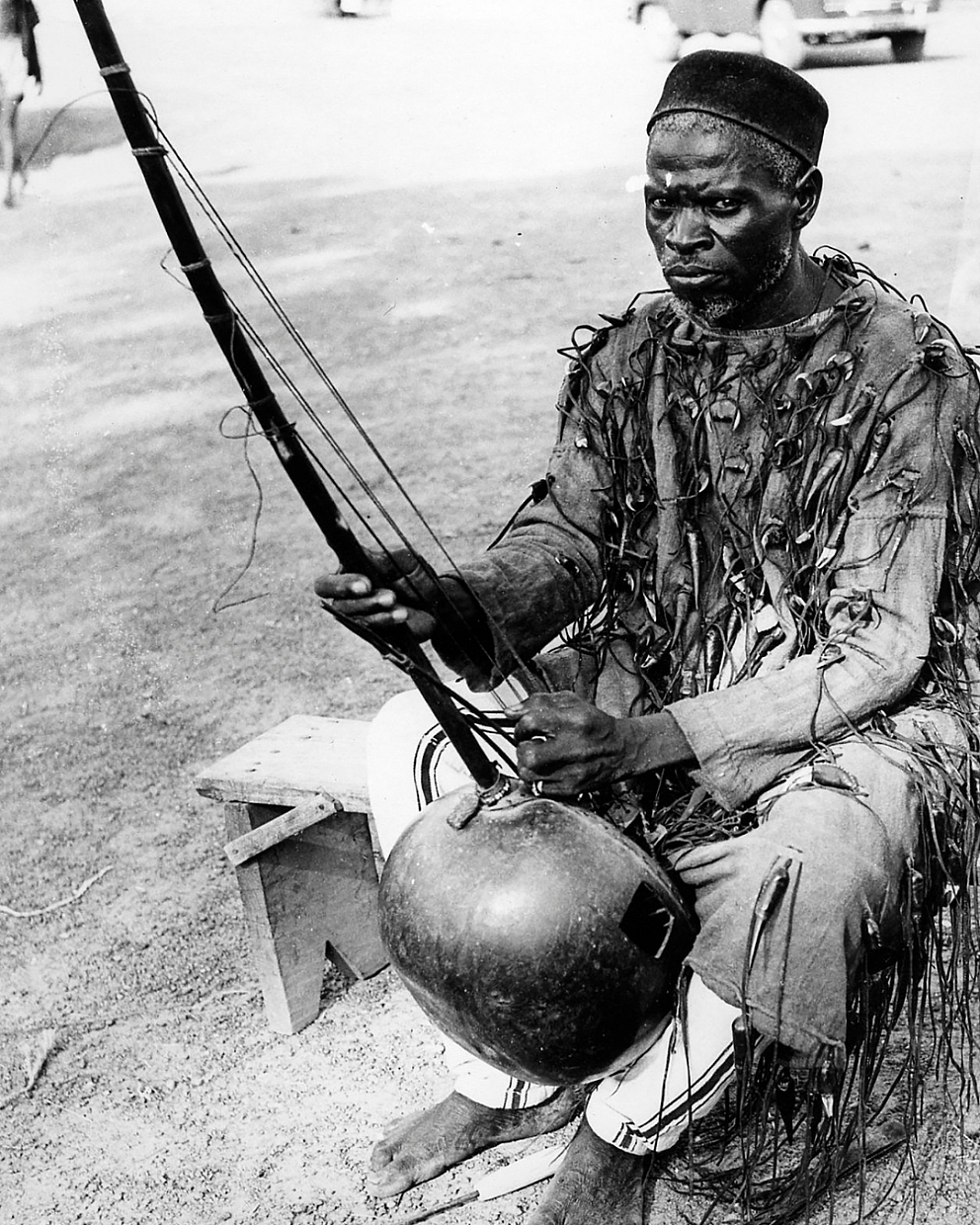
In West Africa, griots carry the memories of entire families, villages, and kingdoms. Their lineage stretches back nearly a millennium to the royal courts of the Mali Empire in the thirteenth century. The griot’s ancestors served emperors such as Sundiata Keita, the legendary founder of Mali, whose exploits survive today through the ‘Epic of Sundiata’—one of Africa’s foundational oral histories. For centuries, griots were more than entertainers: they were advisers, diplomats, mediators, and historians, charged with preserving the genealogies that legitimised kingship. To forget a name or event was not a minor lapse; it was a political danger. Instead of written records their authority on recall, a sacred trust linking present rulers to ancestral lineage.
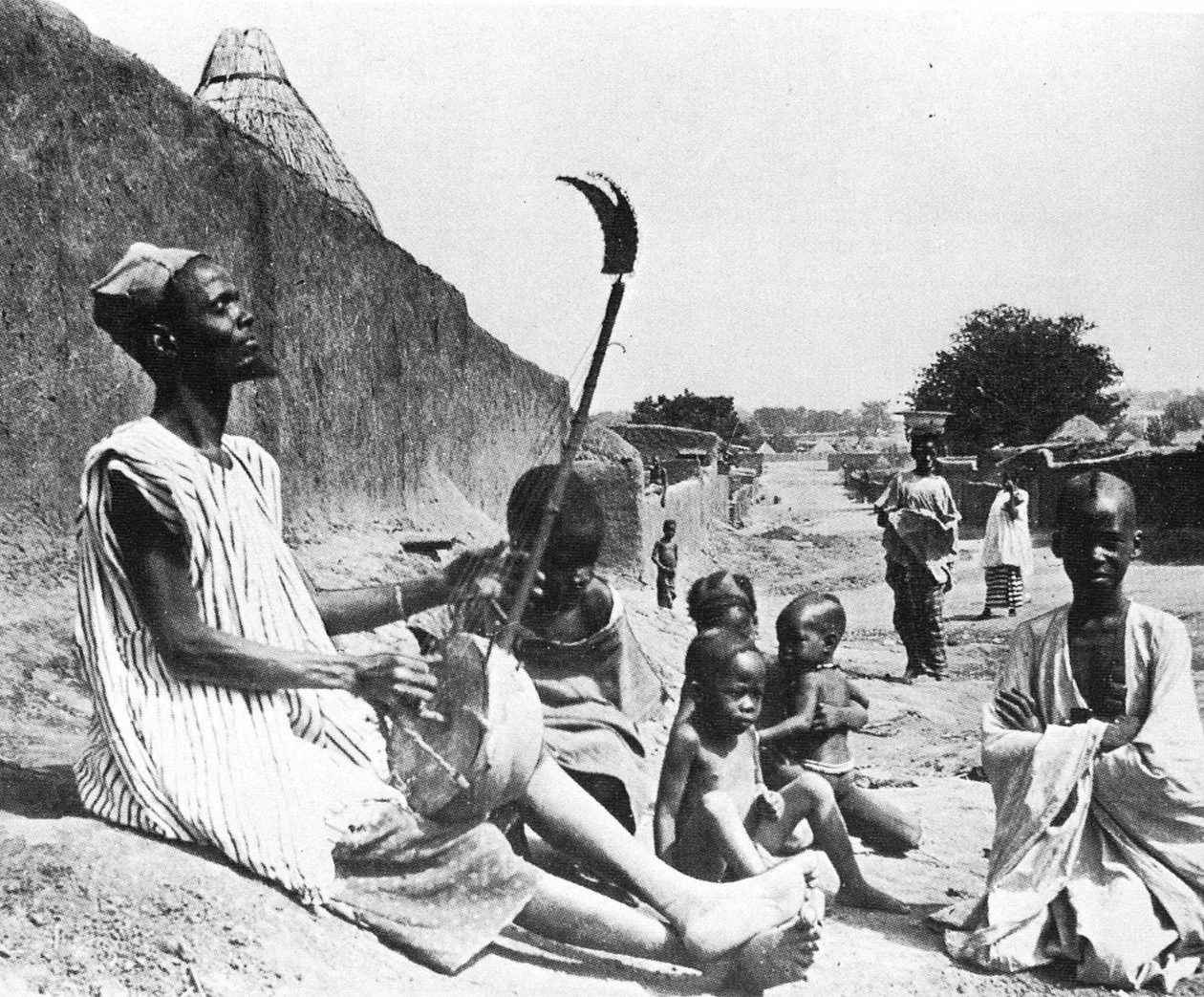
The griot’s instrument, the kora, is a 21-stringed harp-lute made from a calabash gourd and cow skin. Its cascading tones are both accompaniment and archive, each rhythm and melodic phrase carrying a layer of meaning—a family’s totemic rhythm, a battle’s motif, or a proverb encoded in tune. In performance, history, ethics, and art merge seamlessly. A griot might open with praises to a noble family, weave in tales of bravery and betrayal, and close with a moral about humility or unity, each element reinforcing collective identity. The structure of the performance ensures that the community hears itself reflected, that memory is not just recalled but emotionally re-experienced.
Griots are traditionally hereditary professionals, passing their skills from parent to child. Families such as the Kouyaté and Diabaté lineages have produced griots for generations, the name itself acting as a credential. This continuity ensures that memory in West Africa is not only social but biological: it moves through bloodlines as through melody. In many regions—Mali, Senegal, Gambia, Guinea—the griot’s voice remains indispensable at weddings, naming ceremonies, and political gatherings. They are living archives, invited to validate history before contracts are signed or leaders are sworn in. Their authority comes not from institutional power but from the collective trust that they remember truthfully and wisely.
A griot’s stories are not simply told; they are verified in public. When the audience echoes a name or corrects a detail, memory is renewed collectively. The griot may pause mid-verse to confirm a date or acknowledge an elder’s interjection, turning performance into participatory historiography. This co-authorship makes the griot’s art both educational and democratic: truth lives only when it is recognised by others. The rhythm, tone, and humour of the griot’s storytelling are themselves mnemonic devices—techniques refined to make even the most complex genealogies unforgettable. What might read as ornamentation to outsiders—the repetition, the musical phrasing, the call and response—is in fact a form of cognitive architecture, scaffolding memory through pleasure and sound.
Even in the contemporary world, griots remain cultural custodians. The Gambian musician Toumani Diabate, a descendant of seventy generations of griots, has brought the kora to global audiences, collaborating with jazz and flamenco artists while preserving the moral core of his tradition. Others, such as Sona Jobarteh, one of the first female griots to achieve international acclaim, are redefining a role historically reserved for men, blending heritage with reform. Whether performing in Bamako or on the world stage, they serve the same essential purpose: to keep society conscious of its roots. In this way, the griot exemplifies the idea that memory is a social contract. Their art ensures that history remains a living dialogue, not an archive of facts. As long as the griot’s kora rings, knowledge continues to circulate—like blood through song—sustaining the moral and historical lifeblood of West Africa itself.
Turkish Aşıks – Folk Music and Moral Imagination
The Aşık (pronounced Ah-shik) of Anatolia occupies a moral and artistic space comparable to that of the West African griot: he is the conscience of his people, a poet-musician whose words both preserve and question tradition. The term aşık literally means “lover,” yet its meaning extends far beyond romantic affection to encompass a mystical devotion to truth, humanity, and the divine. The tradition traces its roots to the Turkic Ozan and Baksı poets of Central Asia, who were shamanic figures believed to heal through music and verse. When Turkic peoples migrated westward in the medieval period, these poets fused their ancient animist and shamanic practices with Islamic mysticism—especially the Sufi orders that flourished under the Seljuks and later the Ottomans. Out of this synthesis emerged the Aşık as both minstrel and mystic, singing of earthly love as an allegory for spiritual yearning and using poetry to bridge the sacred and the social.
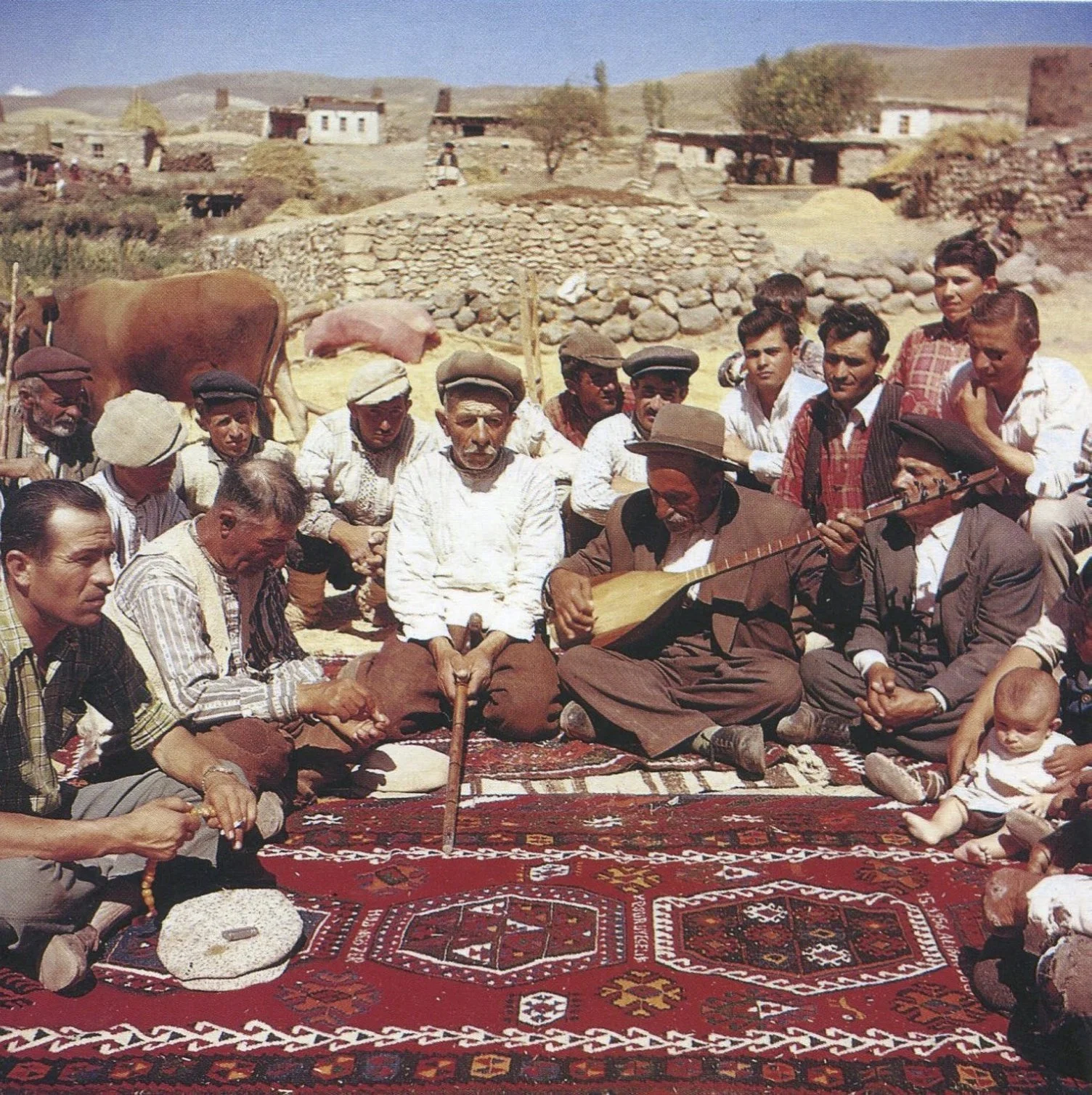
Aşık Veysel performing in Sivas, the agricultural heartland of Anatolia.
With his saz, a long-necked lute with twelve strings and a deep, resonant body, the Aşık became a familiar figure across Anatolia, wandering from village to village or performing in local gatherings known as meclis. He sang of love, exile, loss, and justice, adapting his voice to the emotional and political climate of each region. In this way, the Aşık’s art functioned as a kind of moral journalism, an oral record of the people’s hopes and grievances. Within Ottoman society—where literacy was limited and power was centralised—the Aşık’s verses became a subtle but potent form of commentary. Through metaphor and humour, he could critique hypocrisy among clerics, corruption in government, or cruelty among landowners without directly confronting authority. His wit was his armour; his song, his truth-telling.
By the nineteenth century, the Aşık had become a fixture of Ottoman and early Republican kahvehaneler, the coffeehouses where artisans, labourers, and intellectuals gathered to share news and poetry. These cafés functioned as informal universities of the people—spaces of conversation, satire, and solidarity. Within them, the Aşık’s voice carried special weight: he gave expression to the unspoken moral contract of everyday life, using folk idioms and parables that everyone could understand. His performance was improvisational, governed by strict melodic systems called makam, yet flexible enough to absorb new themes. A single song might evolve over decades, its verses rewritten to respond to fresh injustices, much like the American blues. Old tunes of longing became anthems of protest; devotional poems turned into veiled critiques of censorship or poverty.
Some of the most celebrated Aşıks, such as Karacaoğlan in the seventeenth century, Dadaloğlu in the nineteenth, and Aşık Veysel Şatıroğlu in the twentieth, shaped Turkish identity through their poetry. Karacaoğlan’s songs celebrated love and nature’s beauty while affirming the dignity of rural life. Dadaloğlu’s fierce verses about tribal displacement voiced defiance against imperial centralisation, while Aşık Veysel—blind from childhood—used his songs to meditate on mortality and social harmony in the new Republic. In his famous refrain, “Benim sadık yarim kara topraktır” (“My faithful beloved is the black earth”), Veysel—hailing from the agricultural heartland of Anatolia—personifies the soil as his only constant companion; faithful when friends betray, steady when beauty fades, and his meeting it is as inevitable as death itself.
Because the Aşık’s art was oral, it remained fluid, continually adapting to new contexts. Each performance breathed fresh life into words that might otherwise have fossilised on the page. When printed culture began to fix knowledge, the Aşık’s voice kept it breathing, reminding people that truth must be sung to stay human. Even today, the tradition survives in Anatolian villages and in the musical cafés of Istanbul, where young poets with their saz continue to improvise verses on migration, inequality, and longing. In every age, the Aşık stands as both chronicler and conscience—a reminder that a culture’s memory does not only live in books, but in the living dialogue between sound, struggle, and soul.
Japanese Biwa Hoshi – Storytellers of National Grief
The Biwa Hoshi of medieval Japan performed a distinct form of remembrance—part sermon, part lament, part living history. These were blind monk-minstrels who, from the twelfth century onward, travelled between temples, villages, and courts reciting ‘The Tale of the Heike’ (Heike Monogatari), the great epic chronicling the fall of the Taira clan in the Genpei War (1180–1185). The story begins with the famous line, “The sound of the Gion Shoja bells echoes the impermanence of all things,” a phrase that encapsulates the Buddhist concept of ‘mujo’—the transience and instability of worldly existence. Through their performances, the Biwa Hoshi did more than entertain; they translated the trauma of civil war into moral reflection, transforming history into an education in empathy and humility.
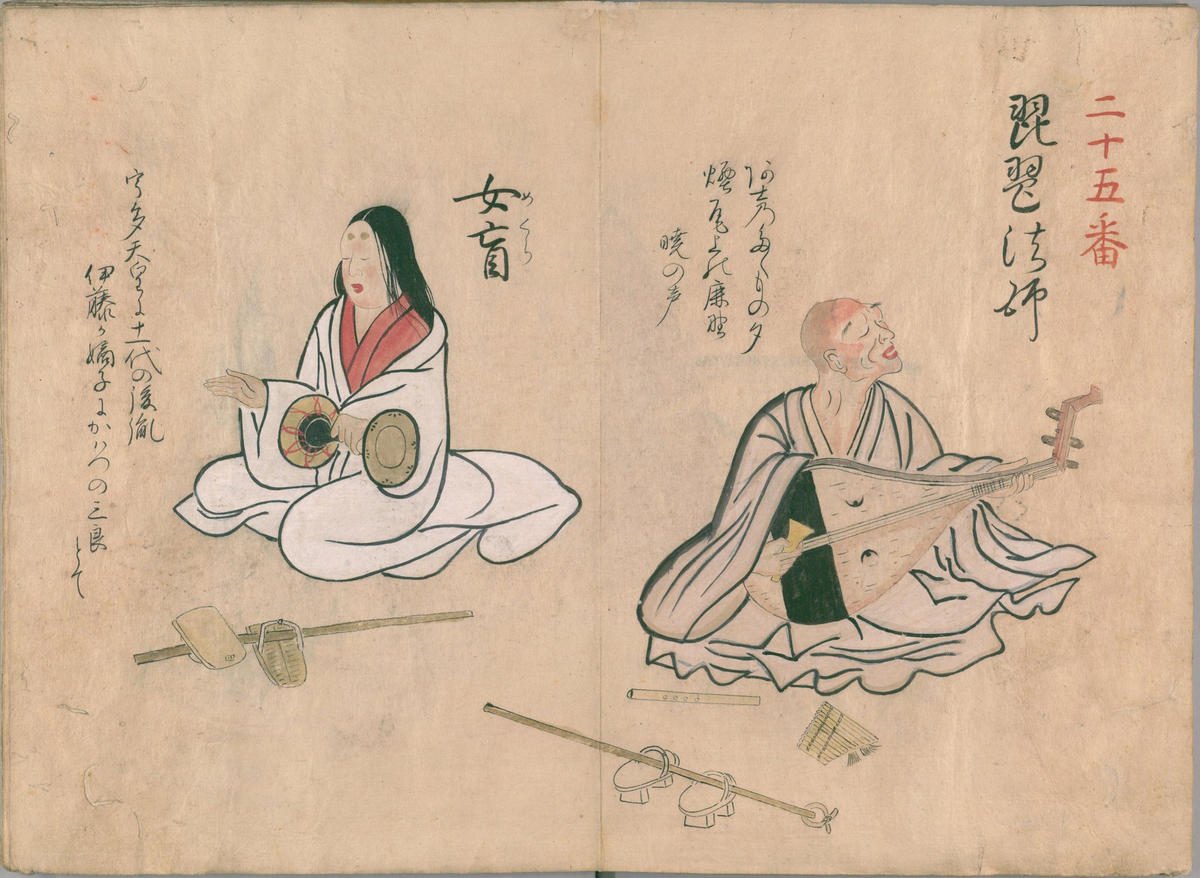
The biwa, a short-necked lute with four or five strings, provided the tonal foundation for their chanting. Its percussive strumming created a sound both mournful and luminous, echoing like the tolling of temple bells. Each note punctuated the words, imitating the clashing of swords, the creaking of oars, or the flow of water—aural metaphors that turned narrative into atmosphere. Audiences did not simply listen; they entered a kind of ritual space, where history and emotion were fused through vibration. The Biwa Hoshi’s tremulous voice, alternately strong and fragile, carried the weight of collective mourning. Through this synthesis of sound and silence, the listeners were led to contemplate the Buddhist truth that all victories fade and all beauty decays.
Their performances were public meditations on loss, communal acts of catharsis that helped society process the moral consequences of war. They performed at temples to console the souls of the dead, at aristocratic gatherings to remind the powerful of impermanence, and in villages to connect ordinary people to the grand cycles of history. The Biwa Hoshi were thus both chroniclers and spiritual intermediaries, turning national memory into ethical reflection. Their art blurred the line between entertainment and enlightenment: it was history sung as compassion, tragedy recited as moral renewal.
By the fifteenth century, the Biwa Hoshi had become an institution within Japan’s oral culture, inspiring later forms of performance such as joruri puppet theatre and nō drama. Yet even as written versions of The Tale of the Heike spread among the literate classes, the Biwa Hoshi’s oral recitations continued to carry emotional authority. Their storytelling did not seek to preserve the past as fixed record but to keep it alive as moral practice. To remember, for the Biwa Hoshi, was not to cling to what was lost but to learn how to let go—to transform grief into insight, and impermanence into compassion.
Andean Harawi – The Voices of the High Andes
High in the Andean highlands, the ‘harawikuq’ and ‘huayno’ singers of Peru and Bolivia turn grief into a form of education. Their songs, often performed in Quechua or Aymara, carry within them the echoes of pre-Columbian cosmology, where mountains, rivers, and skies were animate beings, and the earth—Pachamama—was both mother and witness. The harawikuq, literally “one who sings the harawi,” continues one of the oldest poetic forms in the Andes: the harawi, a slow, melancholic chant once used for mourning the dead, invoking ancestors, or addressing the sacred landscape. After the Spanish conquest in the sixteenth century, when temples were razed and languages suppressed, this musical lament became a vessel for survival. Through its verses, Indigenous communities preserved fragments of their cosmology and memory, encoding spiritual continuity within the shell of a song.
In the communal dance, private grief becomes shared endurance. The music’s circular rhythm—slow, deliberate, and hypnotic—mirrors the cycles of agricultural and cosmic time. The dancers move in a spiral or around a central space, embodying the Andean conception of reciprocity, ayni: the belief that giving and receiving, joy and sorrow, must remain in balance. The act of dancing itself becomes pedagogy. It teaches rhythm as resilience—the knowledge that even suffering can find harmony when carried together. The communal repetition of gesture and song blurs the boundary between remembrance and renewal, transforming loss into affirmation.
The lesson is emotional rather than informational. Through collective mourning, communities remember not only what has been taken from them but also that they have endured. Each verse carries a memory of defeat transformed into continuity. When an elder begins a harawi at a funeral, her trembling voice binds the living and the dead in the same rhythm of compassion. When young people in urban Lima or La Paz remix huayno melodies with electric guitars or synthesizers, they are not abandoning tradition but reaffirming its adaptability. In every generation, the refrain remains the same: “Aqui estamos todavia”—“We are still here.”
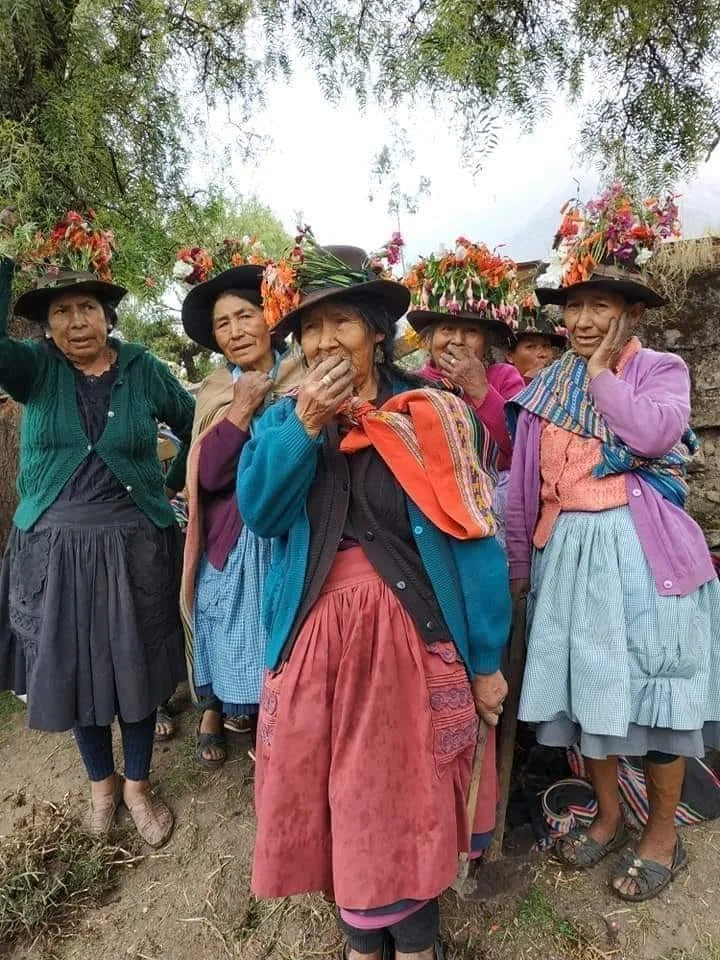
This act of remembering through rhythm carries profound pedagogical force. It teaches that survival is not the opposite of suffering but its transformation. The harawikuq and huayno singers sustain a cultural memory that does not seek redemption from pain but dignity within it. Their songs are, in essence, lessons in balance—between despair and hope, continuity and change, the human and the elemental. Through melody and movement, they remind Andean communities that history is not a burden to be carried alone but a rhythm to be shared, a collective heartbeat echoing through the mountains.
Irish Seanchaí – The Storytellers Who Defied Empire
Ireland’s seanchaí were once the official chroniclers of Gaelic clans, tasked with preserving genealogies, local lore, and the moral codes that governed communal life. The word seanchaí means “bearer of old lore,” and in pre-colonial Ireland these storytellers held an esteemed social position alongside poets (filí) and bards (bardai). Their work was not simply entertainment; it was an instrument of law and memory. In a largely oral society, the seanchaí’s recitations carried legal weight: ancestry confirmed property rights, and stories about lineage determined legitimacy. To forget a genealogy was to lose one’s claim to belonging. Thus, their role fused art, history, and social order.
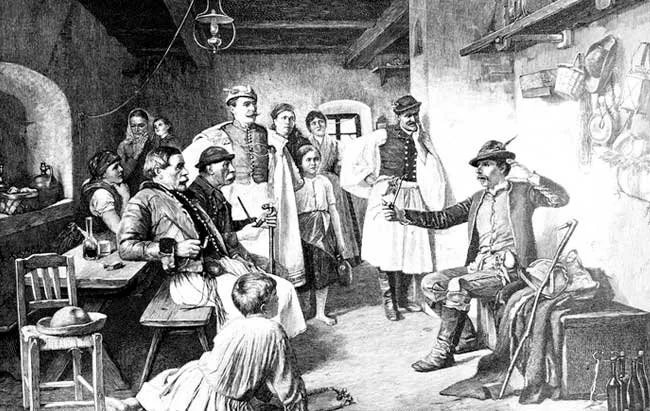
When the English conquest of Ireland intensified from the sixteenth century onward, and Gaelic institutions were systematically dismantled, the status of the seanchaí changed from official chronicler to outlawed custodian. With the suppression of the Irish language and the closure of bardic schools, much of Ireland’s intellectual life was driven underground. The seanchaí became the keeper of a forbidden memory—the living archive of a culture that the colonial authorities sought to erase. Performing in Gaelic around hearths, crossroads, and taverns, they disguised political history as folklore, embedding national trauma in stories about fairies, kings, and tricksters. The hero who outwitted a giant might represent an Irish chieftain defying English rule; the tale of a hidden kingdom beneath the sea might whisper of a lost sovereignty. In this way, the seanchaí’s art became a covert form of historiography, transforming entertainment into subversion.
Their storytelling was renowned for its cadence and humour, traits that made heavy truths bearable. A seanchaí’s voice would rise and fall like a tide, alternating between solemnity and laughter, pathos and wit. The rhythm of their delivery—shaped by Gaelic prosody—created a musicality that could captivate even those who did not fully understand the language. Within this rhythm lay coded lessons in endurance and irony. Listeners learned not only the events of the stories but how to interpret silence—to hear what could not be safely spoken. This was a form of moral intelligence, a survival skill in a world where language itself was political. To understand the pauses, the double meanings, the wry smile at the punchline, was to be fluent in resistance.
The seanchaí’s presence was most powerful in rural communities, where oral exchange remained central long after print culture spread elsewhere. Gatherings at firesides, especially during the long winter nights, became informal classrooms of collective memory. In those dimly lit rooms, myth and history blended freely: the warrior Cú Chulainn might stand beside a half-forgotten ancestor; the ghosts of famine victims might speak through allegory. Every tale renewed the continuity of a people whose written history had been fractured. These stories went beyond preserving identity and perform it.
Even in the Irish diaspora, the seanchaí’s art endured, adapting to new contexts without losing its purpose. In emigrant communities from Boston to Sydney, storytelling sessions kept the emotional landscape of Ireland alive. The stories shifted from tribal memory to migrant memory—from the defence of land to the preservation of belonging. Modern seanchaí, such as Éamon Kelly, brought this oral heritage to radio and stage in the twentieth century, demonstrating its adaptability to new media without diluting its communal spirit. The craft remains a vital part of Ireland’s cultural revival movements today, its echoes heard in theatre, literature, and even stand-up comedy, where the timing, rhythm, and social insight of the seanchaí continue to resonate.
Through them, storytelling became resistance disguised as entertainment, but also education disguised as play. Each performance taught not only the past but the art of surviving it. The seanchaí’s tales trained communities to listen critically, to find truth in metaphor, and to remember through laughter. In their hands, memory was not a static record but a living dialogue—ironic, tragic, and fiercely humane. And long after the empires and their edicts faded, it was the storyteller, not the conqueror, who kept Ireland’s history alive.
From Orality to Print to the Digital
The printing press transformed Europe by externalising memory. Knowledge left the human voice and took residence on the page. This change democratised learning but also detached it from relationship. The libraries filled with books, and rows of silent readers, replaced the circle of storytellers. Now the digital world extends that trajectory: infinite information, minimal intimacy. Our devices remember flawlessly, yet our shared memory—the stories we hold in common—fades. The challenge is not access but connection: how to bring back the relational, participatory energy that orality once supplied.
These performers embody variations of the same function: keeping memory alive by making it felt. Their resilience across centuries exposes what printed and digital media, for all their reach, still cannot replace. Cultural performance holds distinct advantages; less efficient, perhaps, but more human.
What Performance Can Do That Other Media Cannot
Knowledge in performance is transmitted through action as well as language. The griot’s rhythm on the drum, the harawikuq’s measured steps, or the Biwa Hoshi’s bowing posture all function as acts of remembrance. These gestures demonstrate that understanding is embodied as much as it is intellectual. In contrast, printed and digital media remove knowledge from physical and social context, presenting it as information rather than lived experience. Performance, by integrating movement, sound, and emotion, creates a multi-sensory form of learning. People tend to retain what they have enacted or felt more effectively than what they have only read or observed.
Because each performance is shaped by its moment, it remains adaptable. A seanchaí may alter a story to suit the listeners before them; an Aşık might improvise a new verse in response to a social event. This flexibility allows oral traditions to remain relevant while retaining continuity with the past. Written and digital forms, once fixed, are less responsive to changing circumstances. Performance, by contrast, is a living medium; an archive that renews itself with each retelling.
If printed and digital media primarily serve to inform, performance can be said to transform. When a Biwa Hoshi sings of a fallen warrior, the purpose is not to convey data but to evoke empathy. Emotional engagement deepens moral understanding, reinforcing ideas of compassion and justice more powerfully than abstract instruction. Books can describe ethical principles; performances enact them. They cultivate moral awareness alongside intellectual comprehension. In educational terms, experiences that involve feeling and participation tend to be remembered longer and with greater clarity.
Cultural performance also creates collective focus. A griot’s audience responds in chorus, and a group gathered for a harawi joins together in synchronised grief. These acts of shared attention transform listening into a form of participation. Digital media may connect vast numbers of people, but they often do so in isolation. Performance, by contrast, restores social presence. It situates knowledge within a communal context, turning memory into a shared and relational experience.
The Sound of Culture and Memory
Across cultures and periods, these performers illustrate how societies preserve and transmit knowledge through shared experience. Their work demonstrates that collective memory functions most effectively when it is social, embodied, and participatory. While printed and digital media have broadened access to information, they cannot reproduce the immediacy or reciprocity of live performance. Oral and musical traditions remind us that learning is not only about storing knowledge but about sustaining the relationships that give it meaning. Understanding education through the lens of performance highlights a crucial continuity: knowledge endures when it is practiced together, not simply preserved in isolation.
Further Reading
Arguedas, J. M. (1978) Deep rivers / José María Arguedas ; translated by Frances Horning Barraclough ; introduction by John V. Murra ; afterword by Mario Vargas Llosa. Austin: University of Texas Press.
Briody, M. (2008) The Irish Folklore Commission 1935-1970 : history, ideology, methodology / Mícheál Briody. Helsinki: Finnish Literature Society / SKS.
Korovinis, T. & Papadopoulos, A. G. (2017) ‘The Âşıks Poet-minstrels of Empire, Enduring Voice of the Margins’, in Asli Duru & Alex G Papadopoulos (eds.) Landscapes of Music in Istanbul. [Online]. Germany: transcript. pp. 113–140.
Ouattar, I. (2018) ‘The Griots of West Africa: Oral Tradition and Ancestral Knowledge Translated from the French by CHARITY FOX’, in BERND REITER (ed.) Constructing the Pluriverse. [Online]. Duke University Press. p. 151.
Tokita, A. & Hughes, D. W. (2008) The Ashgate Research Companion to Japanese Music. 1st edition. Alison McQueen Tokita & David W. Hughes (eds.). [Online]. London: Routledge.